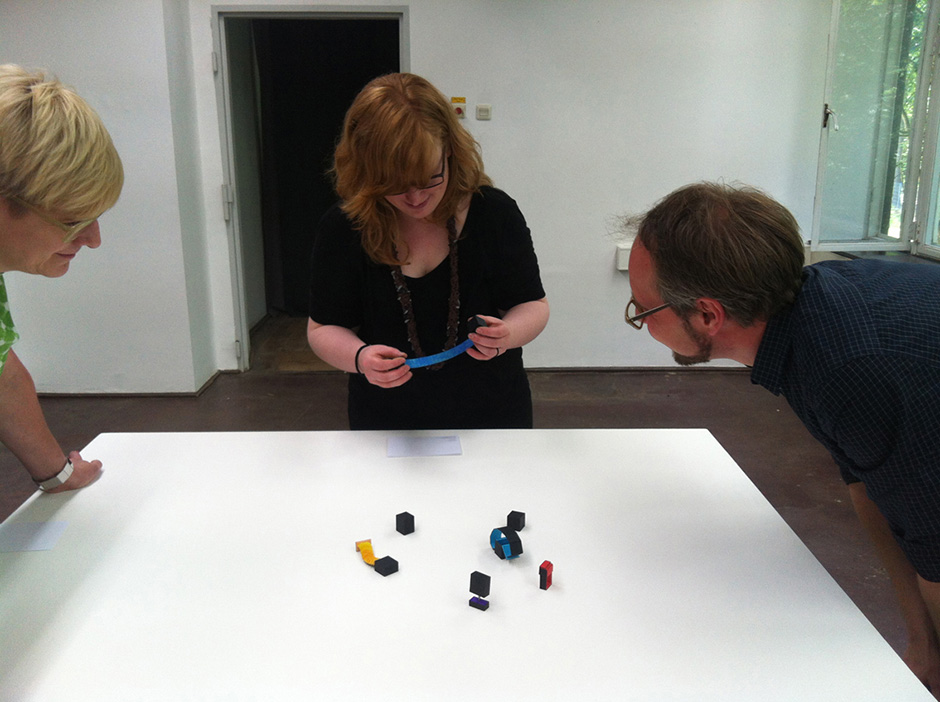
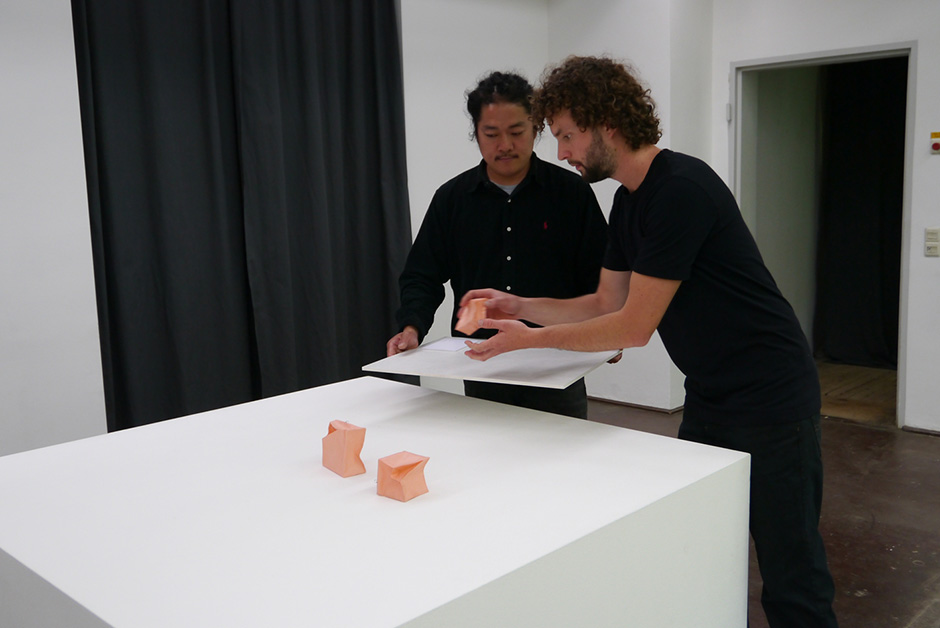
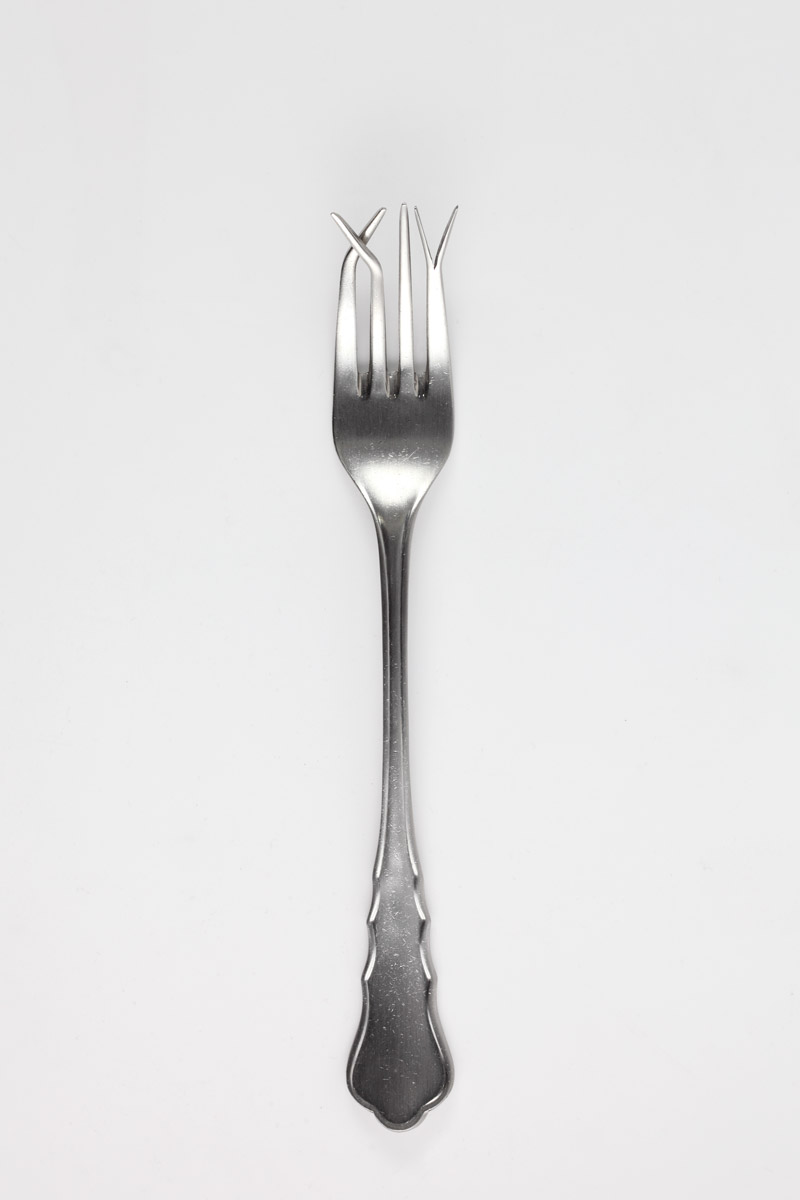
Jahresgabe 2014
Jahresgabel - Nadja Soloviev
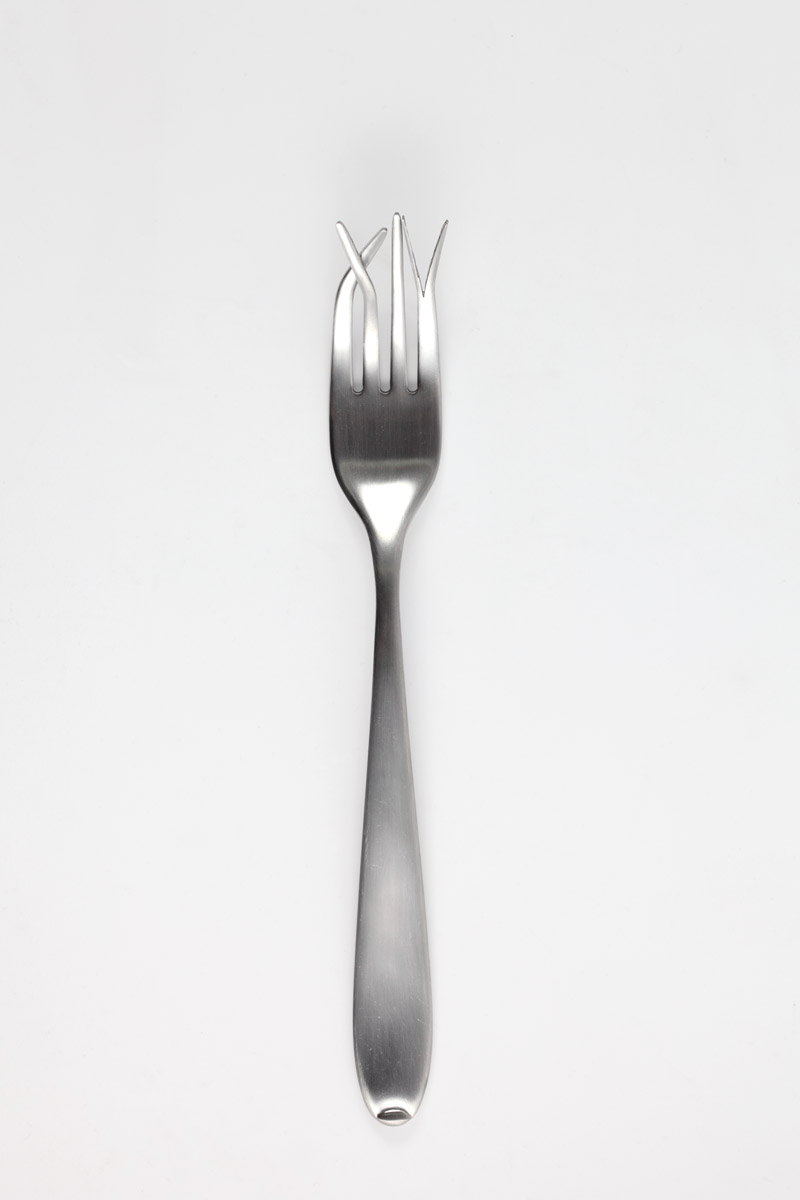
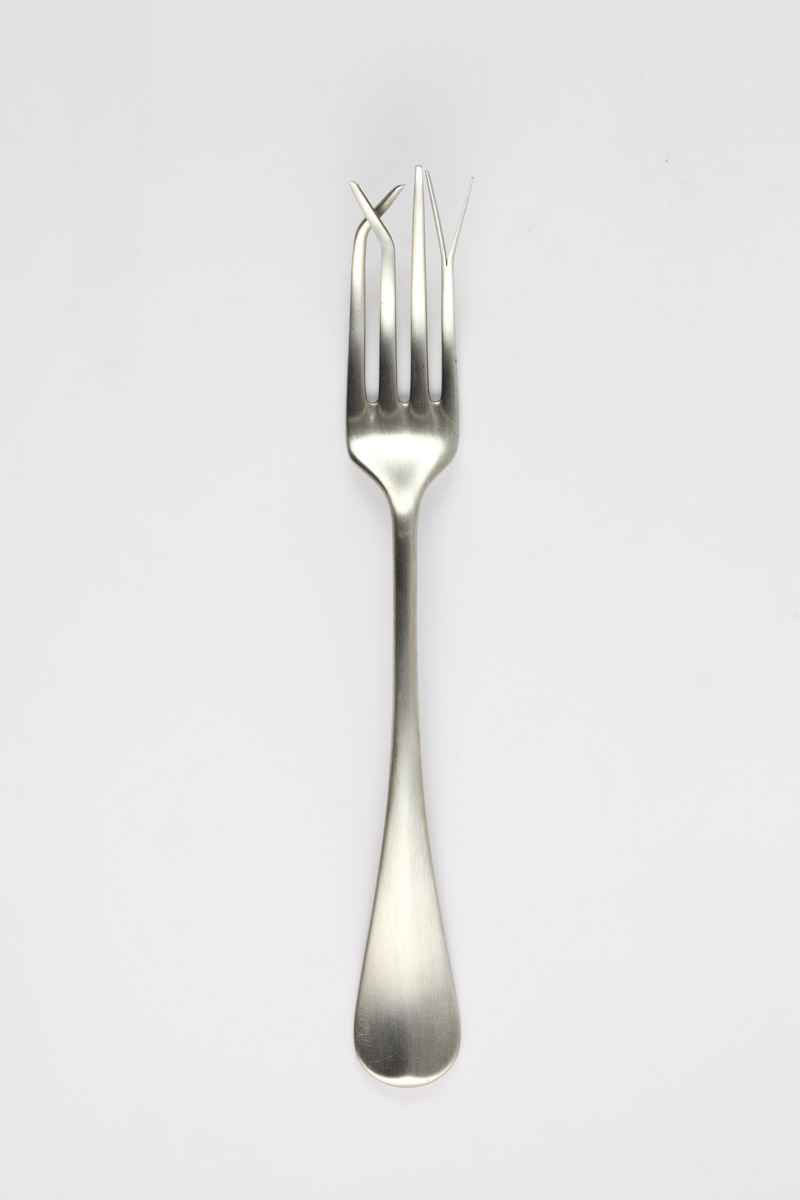
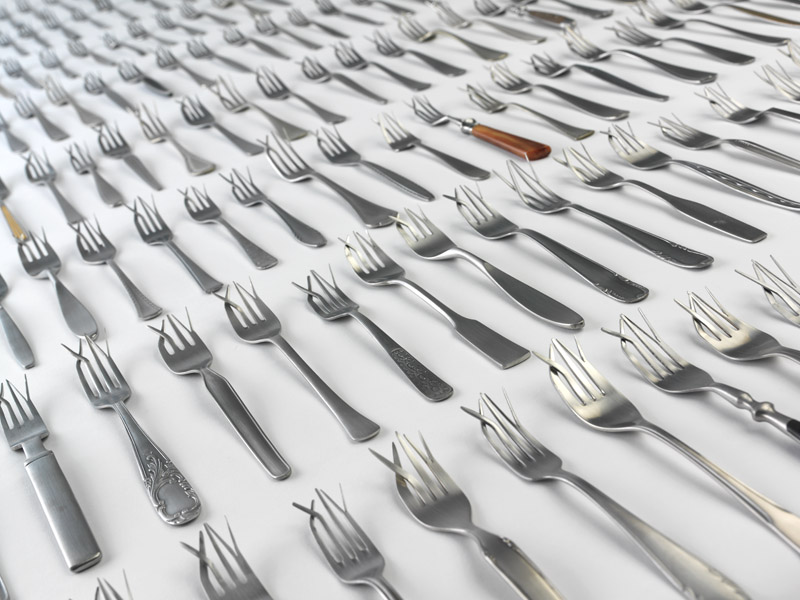
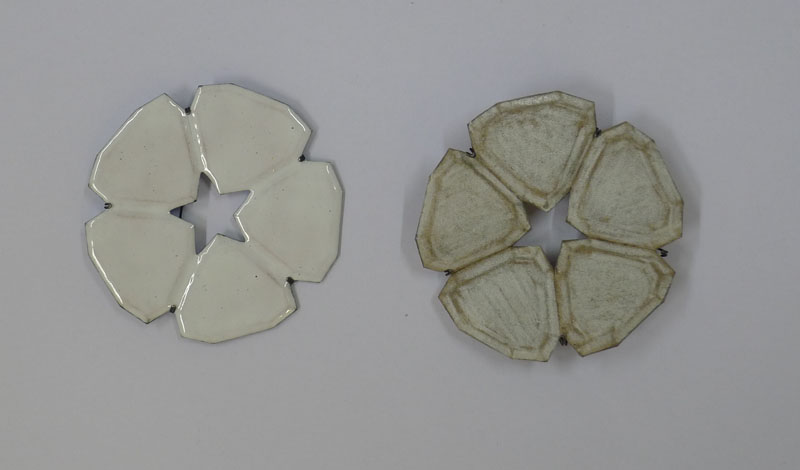
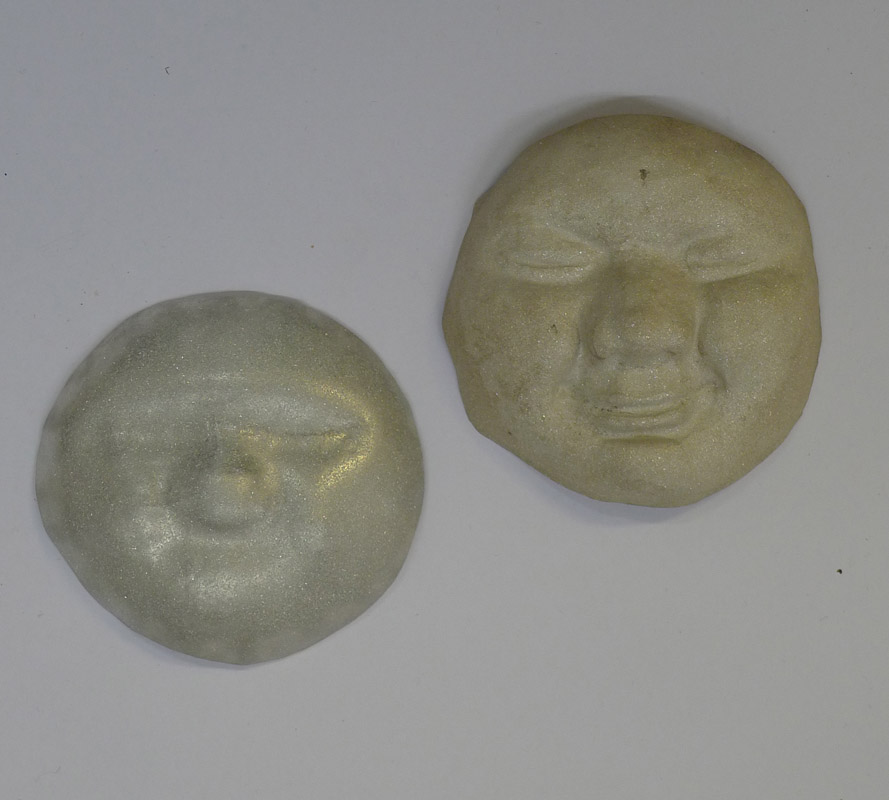
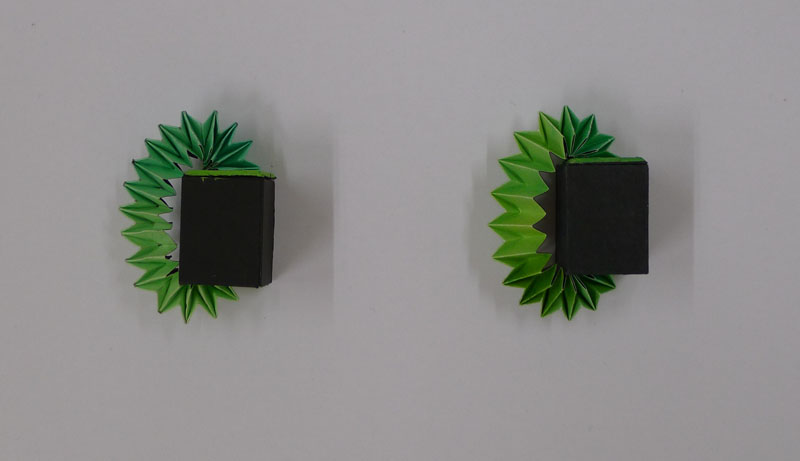
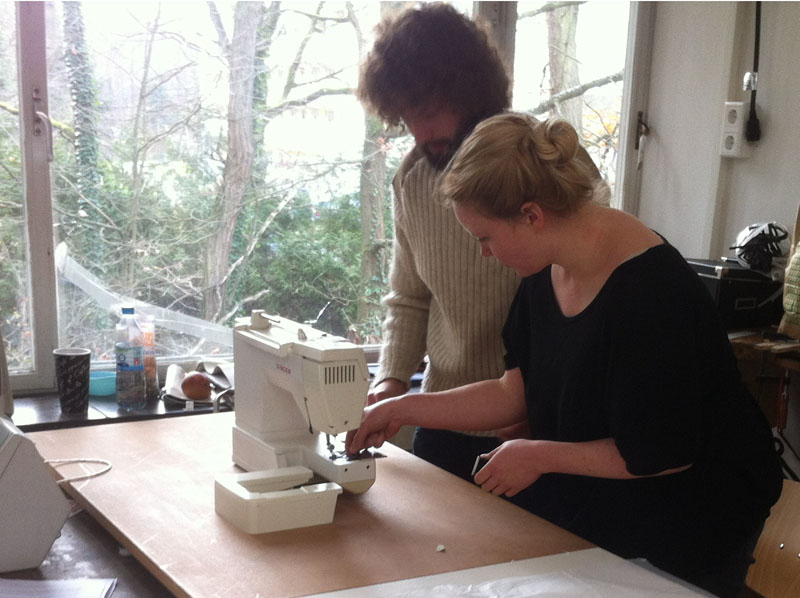
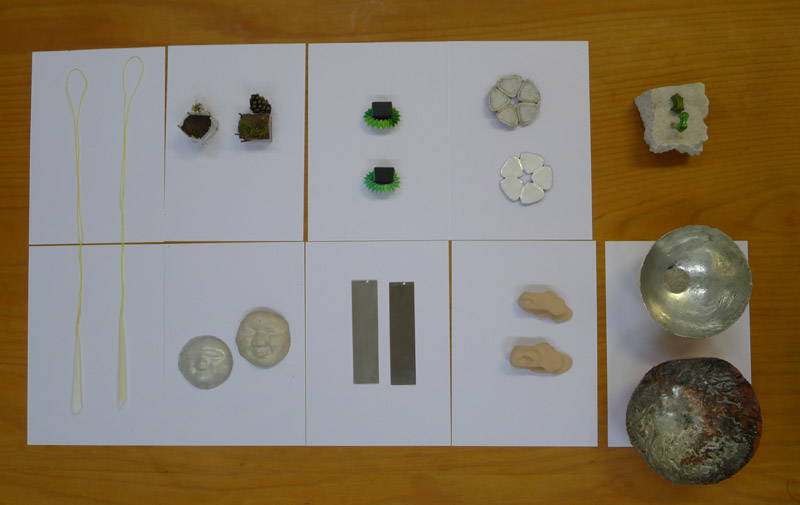
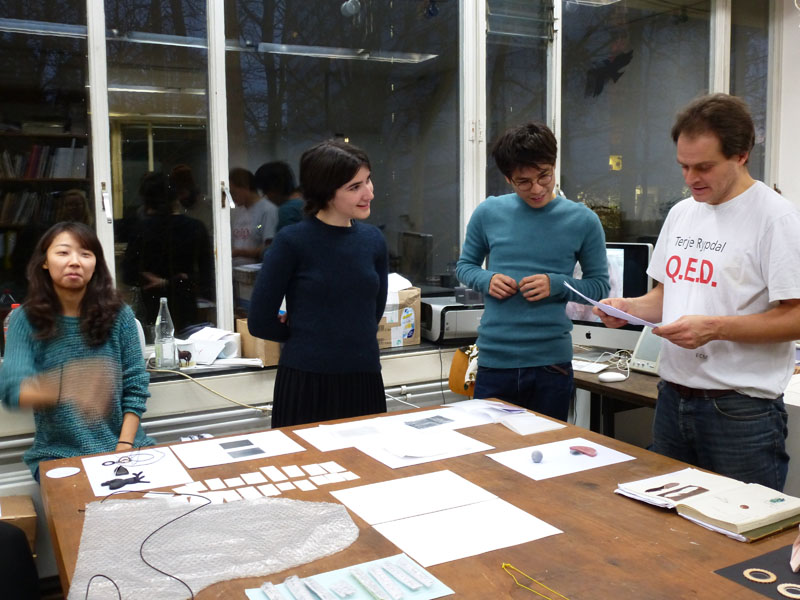
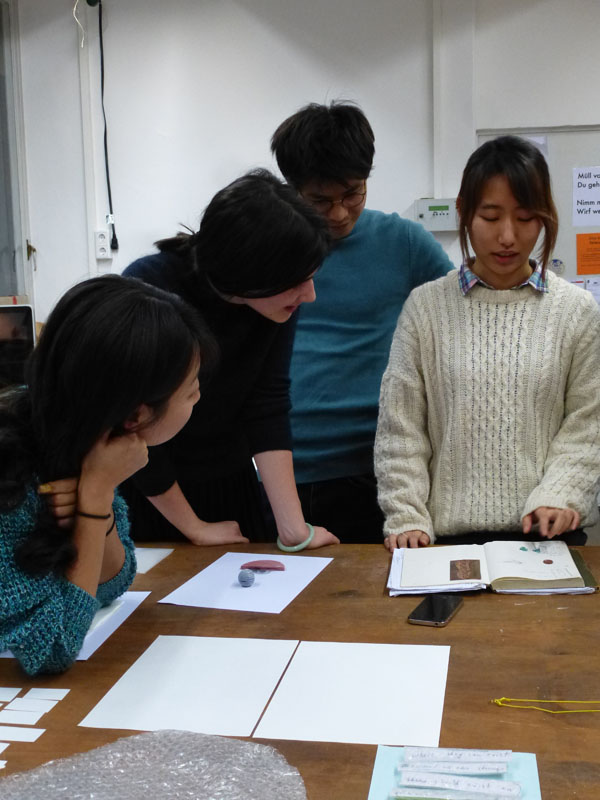
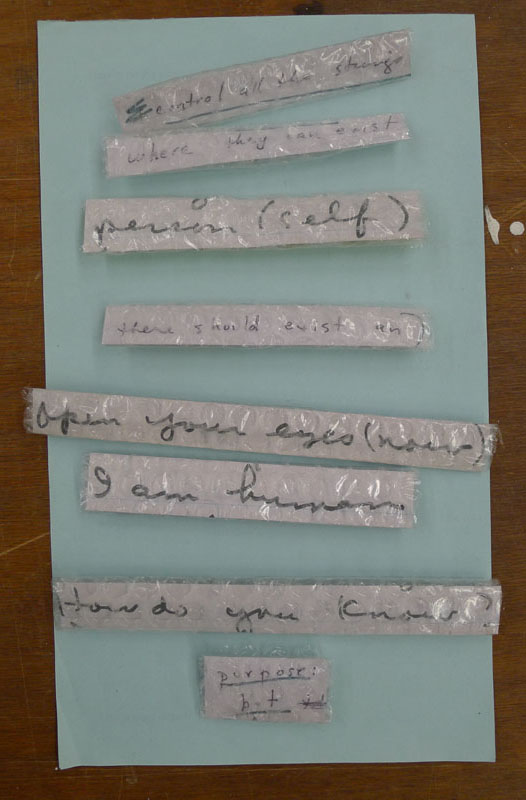
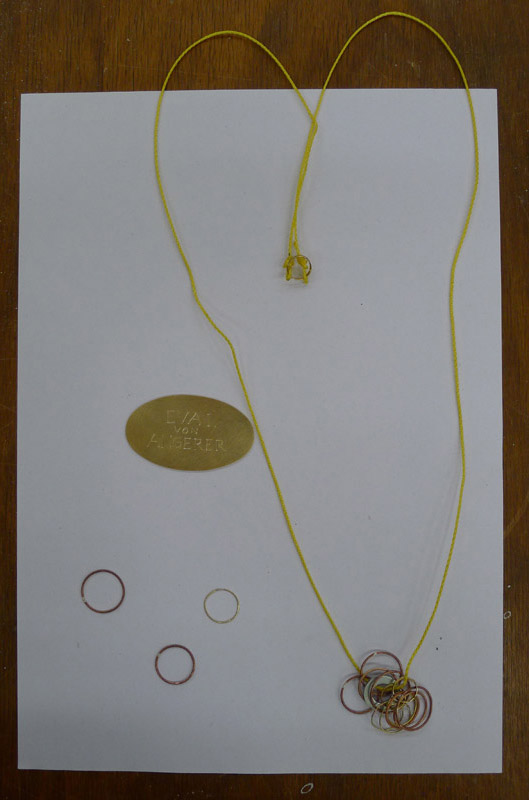
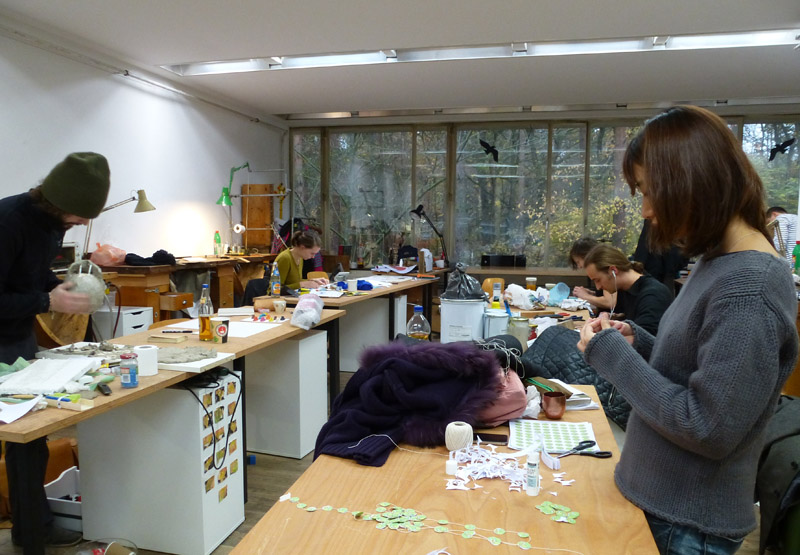
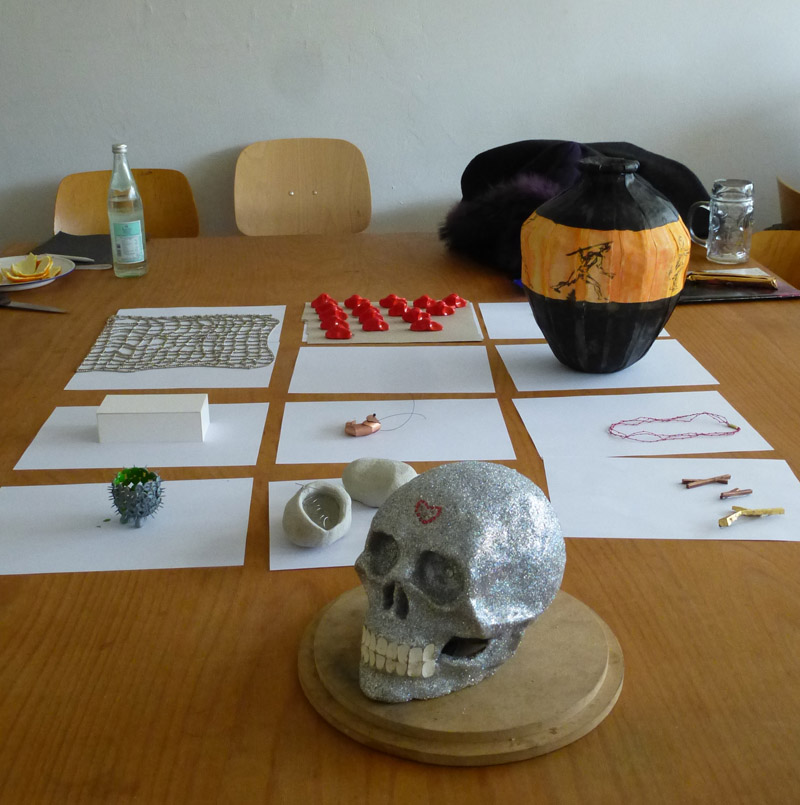
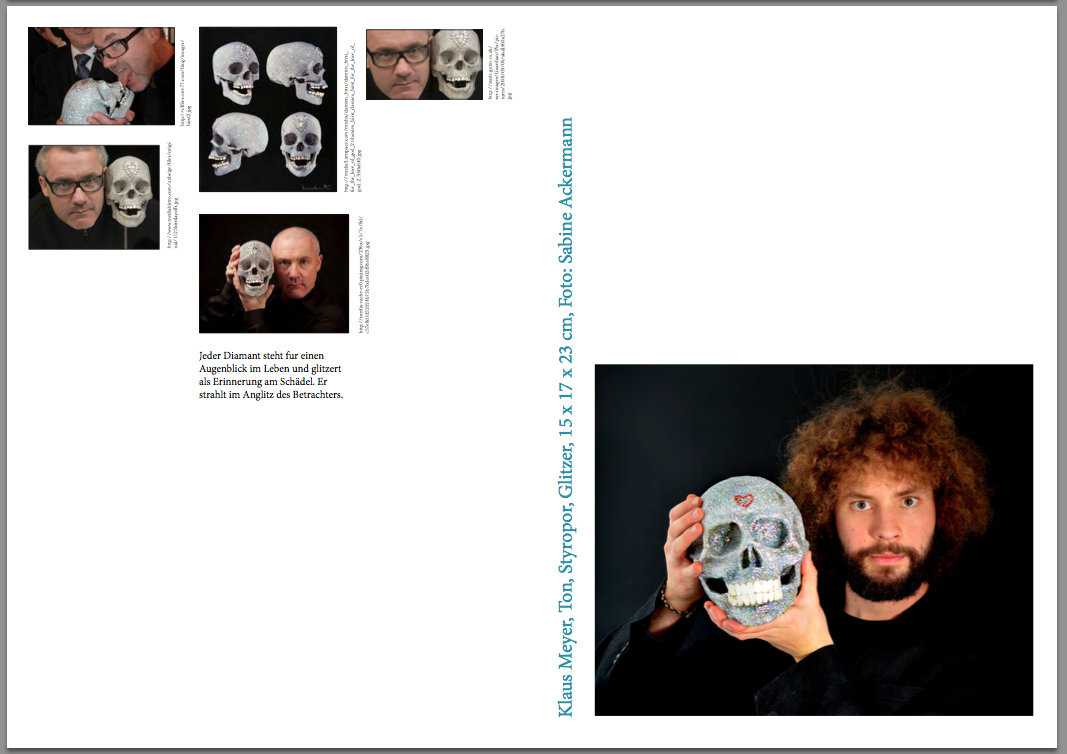
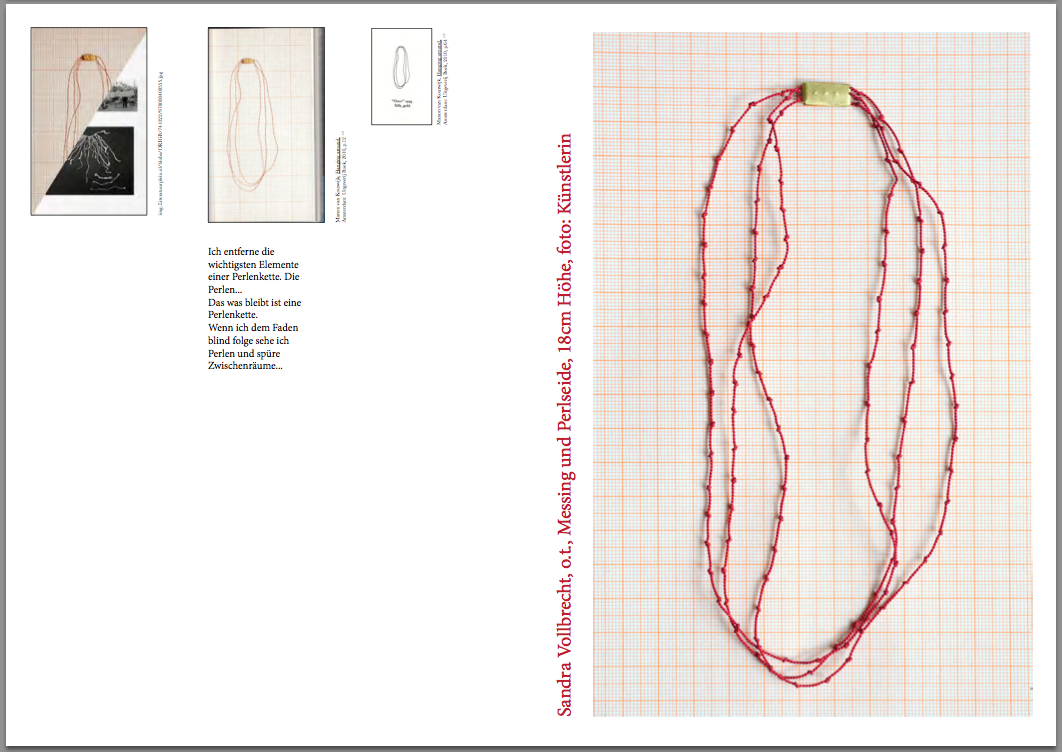
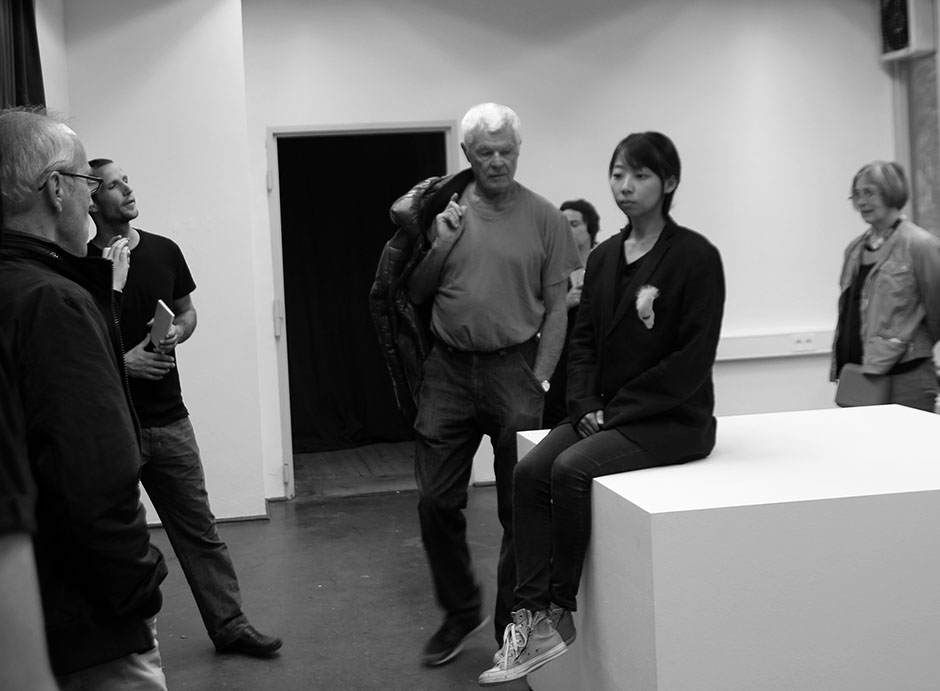
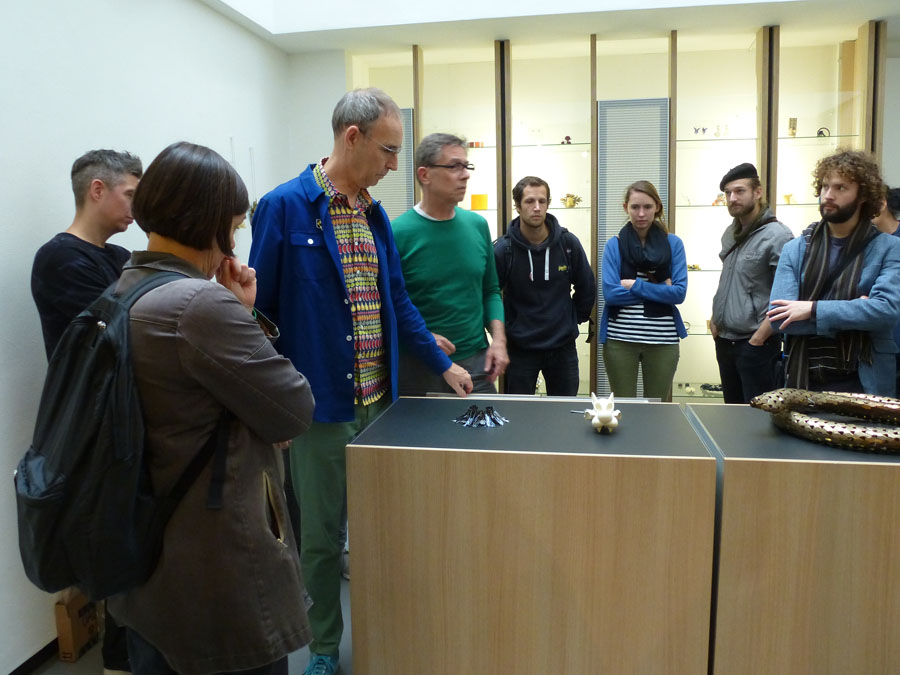
Im Lichthof des Neuen Museums Nürnberg werden aus dem Kreis der Teilnehmer und Gäste der Ateliertage ausgewählte Arbeiten gezeigt.
Aus der Klasse für Freie Kunst/ Gold- und Silberschmieden zeigen René Martin, Kyung Jin Kim und Nadja Soloviev , sowie Seok Young Kim, Absolvent 2014 ihre Arbeiten.
.
Gerne möchten wir Sie zu der Eröffnung am Donnerstag, 20. November 2014
von 18.oo – 20.oo Uhr einladen.
Neues Museum – Staatliches Museum für Kunst und Design in Nürnberg
Klarissenplatz, 90402 Nürnberg
Öffnungszeiten des Neuen Museums:
Dienstag bis Sonntag 10.oo – 18.oo Uhr
Donnerstag 10.oo – 20.oo Uhr
Klassenbesprechung: Mittwoch, 10 Uhr
Einzelbesprechung: nach Vereinbarung
Alexander Blank
Mittwoch, wöchentlich
Semester-Workshop I: "KOPIERT = KAPIERT"
Benjamin Lignel
13.11. und 14.11. 2014 / 8.1. und 9.1. 2015
Jeweils 10.00 Uhr
Workshop II: THE PERFECT FAKE
Beatrice Brovia / Nicolas Cheng 25.11.2014 - 28.11.2014
Täglich ab 10.00 Uhr
Seminar - Kunsttheorie
Alena Alexandrova
16.10. und 17.10. 2014
Jeweils 10.00 Uhr
4.2.2015, 10.00 Uhr
Alexander Blank, Suska Mackert
External critic: Ruudt Peters
30.9. - 6.10.2014
Grassi Messe, Leipzig
23.10-26.10.2014
EinBlick, Nürnberg
21.11.-23.11.2014
EinBlick (Nürnberger Ateliertage)
21.11.-23.11.
www.forum-ak.de
Vortrag in der Aula der Akademie
Do 16. Oktober 2014, 19 Uhr
Collections often work with displaced objects and fragments through complex, in many cases invisible and highly mediated, procedures of interpretation, and ultimately of the invention of their meaning. To collect, in this sense, implies the appropriation objects and images (evident in the case of archaeological or ethnographic museum collections). Many present-day artists set to reflect on the nature and the effects of such infrastructures. While museums and their collections appropriate objects, artworks and images in the sense that they frame them in certain categories and fix their meaning, artists in their practices address in the nature of such collections and question their methods and implicit narratives. In many cases artists take the objects "back" from the archive or the museum collection in order to re-open a possibility to look at them in a different way. This gesture could be called counter-appropriation.
The lecture will look at the way artistic practices carve out a space for what I could name anarcheological research. As much as those artistic practices are the expression of an impulse to reconsider the narratives of history, to retrace alternative possible histories and facts, they also indicate a desire to reflect on the very infrastructure of the apparatus of the archive, and of the image, as well as a concern with a more intimate and subjective mode of production of meaning.